

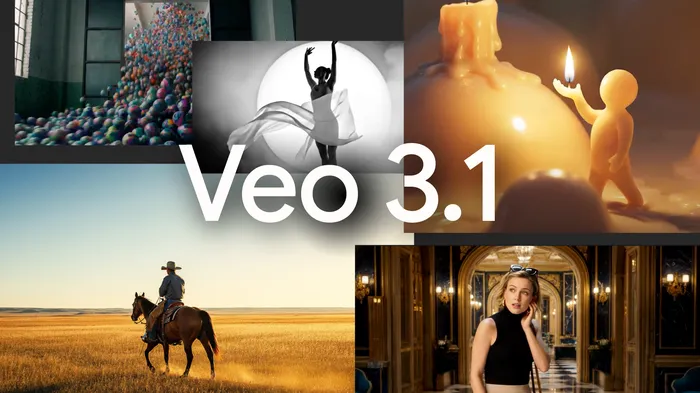
Google continues to redefine artificial intelligence in video production with the release of Veo 3.1. The upgraded model promises substantial improvements in realism, audio clarity, and prompt accuracy. Users across the Google ecosystem can leverage these advancements for a wide range of applications, from content creation to professional filmmaking.
Veo 3.1 builds upon the success of its predecessors, providing enhanced tools for video generation with fewer wasted compute resources. The AI model also adapts to modern video trends, supporting both landscape and vertical formats. This development positions Google as a strong competitor in the AI video generation space.
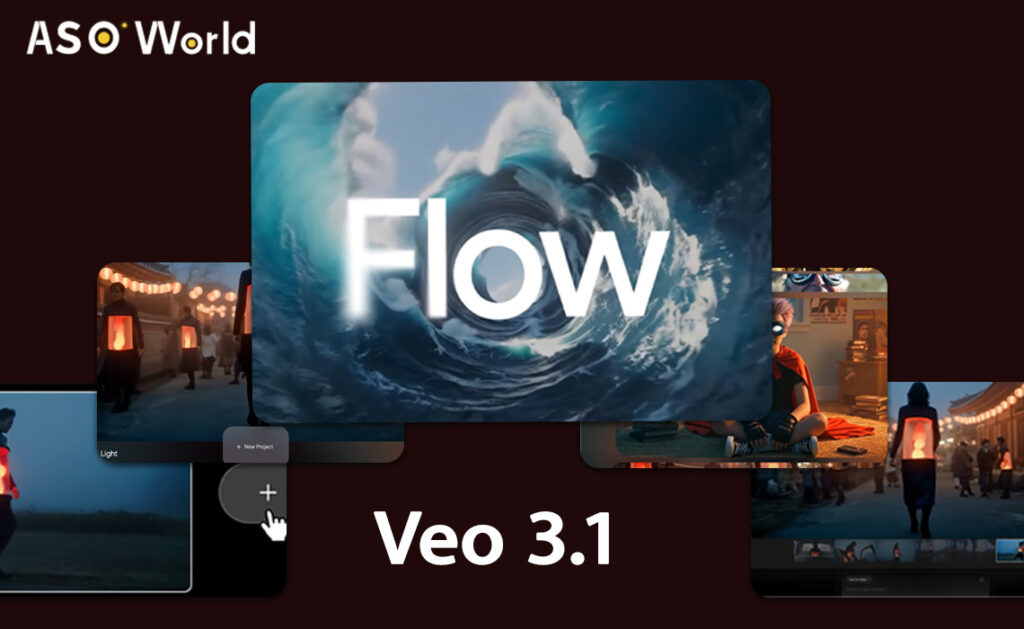
Integration with tools such as Flow and Gemini allows users to combine video, images, and audio into cohesive outputs. Google’s focus on optimizing efficiency ensures faster processing through the Veo 3.1 Fast variant, addressing concerns about cost and scalability in AI video production.
Key Features of Google Veo 3.1 AI Video
Enhanced Prompt Accuracy
Veo 3.1 demonstrates improved adherence to prompts, producing results that closely match user specifications. This minimizes unnecessary iterations and reduces computational demand.
Audio Improvements
Audio capabilities have expanded beyond previous versions. Generated soundtracks now align more naturally with video content, offering smoother synchronization and higher fidelity for narration or music integration.
Multi-Format Video Generation
Veo 3.1 supports landscape and portrait video formats, catering to evolving digital media trends. Content creators can now produce YouTube Shorts and TikTok-compatible videos directly from the AI platform.
Integration Across Google Ecosystem
The model integrates seamlessly with Gemini, Flow, Vertex AI, and the Gemini API. Developers and creators can access Veo 3.1 functionalities for diverse applications, including automated filmmaking, video marketing, and experimental AI projects.
Advanced Tools for Filmmakers
Flow Tool Enhancements
Flow’s Ingredients to Video, Frames to Video, and Extend features now incorporate generated audio. Users can create videos from multiple images while maintaining high-quality sound, enriching storytelling options.
Image-Based Video Generation
Creators can utilize images as references for video outputs. This method provides precise control over scene composition, ensuring generated clips match creative intentions.
- Upload multiple images to establish video starting points
- Add custom audio tracks to clips
- Generate outputs using API or Gemini app
Object-Level Editing
Veo 3.1 allows precision editing within video clips. Objects can be added or removed without altering surrounding elements, increasing flexibility for both casual and professional projects.
- Add visual elements seamlessly
- Remove items while maintaining scene integrity
- Integration available immediately in Flow and API for additions
Fast Variant for Cost Efficiency
Veo 3.1 Fast provides a high-speed alternative for video generation. This option enables creators to produce multiple outputs with reduced resource consumption, optimizing budgets for extensive projects.
Implications for Social Media Content
Vertical Video Growth
With vertical video support, Veo 3.1 aligns with trends on platforms like YouTube Shorts and TikTok. Marketers, influencers, and content creators can now generate platform-optimized videos without additional editing.
Competitive Landscape
Veo 3.1 strengthens Google’s position against competitors in AI video creation. By combining speed, audio quality, and multi-format support, Google establishes a powerful toolset for digital content production.
- Supports trending video formats
- Provides faster generation options
- Maintains high visual fidelity
- Encourages experimentation for creators
User Accessibility
The Gemini app and API access ensure that both developers and non-technical users can interact with Veo 3.1. Its integration simplifies video production workflows, from idea conception to finished output.
Technical Advantages of Veo 3.1
Efficient Compute Usage
Better prompt adherence reduces wasted cycles, ensuring each generation is resource-efficient. This optimization enhances scalability for high-volume content production.
Precision Video Editing
The model’s ability to replicate video aesthetics while modifying specific elements enables refined storytelling. Object addition and removal features extend creative possibilities significantly.
Broader API and Developer Support
API integration allows developers to embed Veo 3.1 features into applications or workflows. Enhanced documentation and compatibility facilitate advanced use cases.
- Supports automated video pipelines
- Offers robust developer tools
- Integrates with existing content workflows
- Scalable for commercial projects
FAQs
What platforms support Google Veo 3.1 AI video?
Veo 3.1 is available across Google’s Gemini app, Flow tool, Vertex AI, and through the Gemini API for developers.
Does Veo 3.1 support vertical video formats?
Yes, Veo 3.1 generates portrait 16:9 videos suitable for YouTube Shorts, TikTok, and other vertical video platforms.
How does the Fast variant of Veo 3.1 differ from standard output?
The Fast variant delivers quicker video generation while reducing computational costs, ideal for high-volume projects or cost-sensitive users.
Can Veo 3.1 edit objects in video clips?
The AI model allows addition and removal of objects with precision. Additions are available immediately, while removals will roll out soon in Flow.
How has audio been improved in Veo 3.1?
Audio now features better synchronization, higher fidelity, and seamless integration with generated video, enhancing the overall user experience.
Conclusion
Google Veo 3.1 AI video offers unmatched realism, audio fidelity, and format versatility. Its integration across Gemini, Flow, and APIs enables creators to produce high-quality video efficiently. With precise editing capabilities, multi-format support, and a cost-efficient Fast variant, Veo 3.1 empowers content creators, filmmakers, and developers to push creative boundaries while maintaining operational efficiency.
